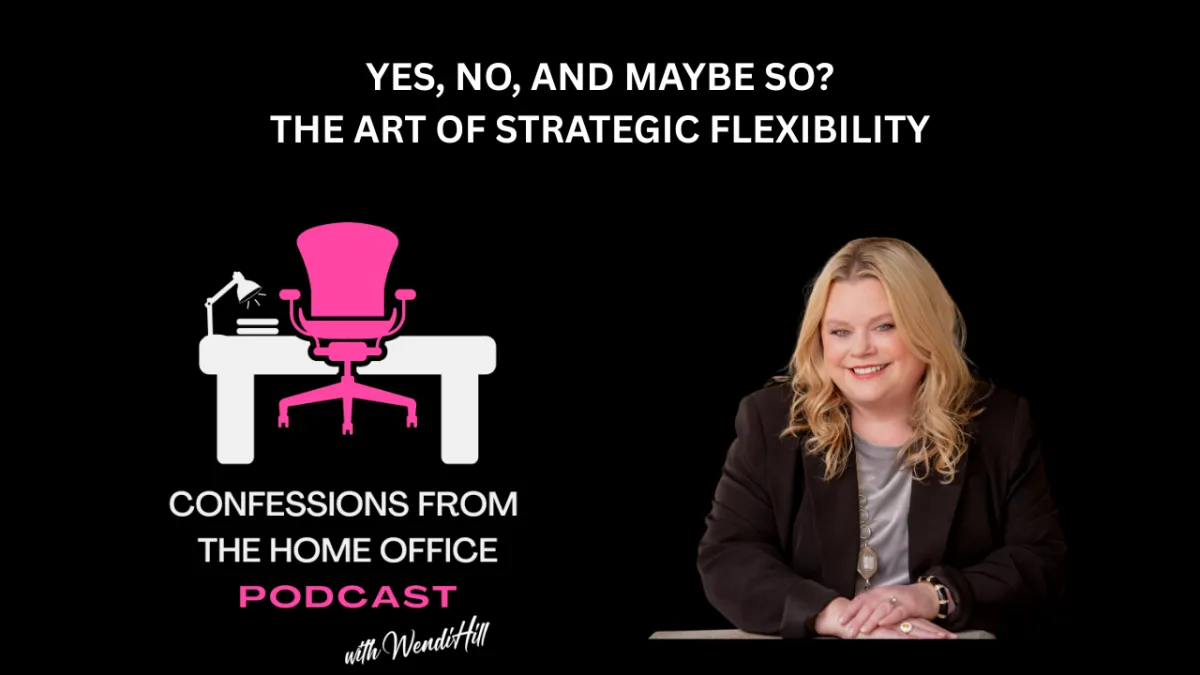
Strategic Flexibility in Business: When to Say Yes, When to Say No, and Why It Matters
One of the most important skills a business owner or consultant can develop is strategic flexibility.
Being flexible with clients can help you build strong relationships, retain business for years, and create a reputation for being easy to work with. But flexibility without boundaries can also damage your business, drain your time, and even affect your profitability.
After more than 20 years running my marketing consulting business, I’ve learned that the real skill isn’t just being flexible. It’s knowing when flexibility helps and when it hurts.
In this article, we’ll explore:
When being flexible with clients strengthens your business
When flexibility can backfire
How to balance adaptability with clear boundaries
If you’re a consultant, freelancer, or service-based business owner, this balance is critical to long-term growth.
What Strategic Flexibility Means in Business
Strategic flexibility means adapting to situations that benefit both you and your client.
It does not mean becoming a pushover or allowing clients to dictate every aspect of your work.
Instead, it means evaluating situations thoughtfully and deciding whether adjusting your approach will strengthen the relationship, improve results, or create long-term opportunity.
Many successful consultants and agency owners build their reputations not only on expertise, but also on their ability to collaborate and adjust when circumstances change.
In industries like marketing, changes happen constantly. Markets shift, competitors launch campaigns, internal priorities change, and strategies need to evolve.
Being able to adapt without losing control of your process is what separates experienced professionals from those who struggle to retain clients.
When Flexibility Can Strengthen Client Relationships
Flexibility can be a powerful tool when applied in the right situations.
Here are several common scenarios where adaptability can strengthen your client relationships and your reputation.
1. Small Project Scope Adjustments
Sometimes clients realize mid-project that something needs to shift.
Maybe a marketing campaign needs a slight adjustment.
Maybe messaging needs to change based on new market information.
If the change:
doesn’t dramatically increase your workload
doesn’t impact profitability
doesn’t derail the timeline
then accommodating the request can build goodwill and trust.
In marketing projects, adjustments are often part of the process, and learning to adapt to these changes is part of being an experienced consultant.
2. Reasonable Deadline Changes
Life happens for both you and your clients.
Sometimes clients need to reschedule meetings or move deadlines because something unexpected happened inside their organization.
If the change doesn’t disrupt your workflow significantly, being understanding can strengthen the relationship.
Many projects, especially things like website development, slow down simply because clients aren’t familiar with the process and need additional time to review materials or gather information.
A little flexibility here often leads to smoother collaboration.
3. Communication Preferences
Not every client communicates the same way.
Some prefer:
email
text messages
Zoom or Google Meet
in-person meetings
Over time, many client relationships naturally evolve toward the communication methods that are easiest for everyone involved.
Adapting to your client’s preferred communication style can make collaboration smoother and more efficient.
4. Temporary Budget Constraints
Even successful businesses hit rough patches.
If a long-term client experiences temporary financial challenges, offering a modified payment structure or scaling back services temporarily may help preserve the relationship.
In many cases, this allows the client to stay with you long-term instead of ending the relationship entirely.
Strong client partnerships often involve working through difficult periods together.
When Flexibility Can Hurt Your Business
While adaptability is valuable, there are clear situations where flexibility can backfire.
Understanding these boundaries is essential for protecting your business.
1. Violating Your Business Ethics
Never compromise your core values or professional ethics.
If a client asks you to:
manipulate marketing results
misrepresent data
invoice something inaccurately
copy a competitor’s work
you should immediately decline.
Your professional reputation is one of your most valuable assets, and compromising it can have long-term consequences.
2. Scope Creep Without Compensation
Scope creep is one of the most common challenges consultants face.
It often starts small:
“Can we add one more thing?”
Then another request appears.
And another.
Before long, the project has doubled in size without additional compensation.
Every proposal or contract should clearly state that changes in project scope may require a revised estimate or additional agreement.
This protects both you and the client by maintaining clear expectations.
3. Unrealistic Deadlines
Clients sometimes want everything immediately.
But when every request becomes urgent, quality suffers and mistakes happen.
If a timeline truly isn’t achievable, it’s better to communicate that clearly rather than rushing work and delivering poor results.
Helping clients prioritize their requests can often solve this problem.
4. Chronic Late Payments
Occasional payment delays happen in business.
But consistent late payments are a serious issue.
Consultants should establish clear payment policies that may include:
late fees
payment schedules
paused work until invoices are paid
No business owner wants to spend time chasing invoices.
Setting clear policies protects your time and financial stability.
5. Disrespectful or Toxic Clients
Some clients simply aren’t a good fit.
Warning signs may include:
constant micromanagement
last-minute demands
disrespectful communication
constantly changing direction after every new webinar or trend
Clients who don’t respect your expertise will eventually drain your time and energy.
Sometimes the healthiest decision is to move on and make room for better clients.
How Strategic Flexibility Helps Your Business Grow
When applied thoughtfully, flexibility can become a powerful growth strategy.
Stronger Client Relationships
Clients who see you as a partner rather than just a vendor are far more likely to stay with you long-term.
Long-term relationships often lead to:
recurring revenue
referrals
larger projects over time
A Reputation for Being Easy to Work With
No one wants to hire someone who is difficult or rigid.
Professionals who show up consistently, communicate clearly, and adapt when appropriate develop strong reputations in their industries.
That reputation attracts more collaborative and respectful clients.
Better Strategic Ideas
Flexibility can also lead to innovation.
Some of the best ideas emerge when you’re open to adjusting strategies or experimenting with new approaches.
Being willing to evolve can lead to better results for your clients and new opportunities for your business.
Balancing Flexibility and Boundaries
The key is balance.
You want to be adaptable and supportive while still protecting your time, expertise, and business structure.
Remember:
You’re running a business, not a charity.
Clients often respect professionals more when they maintain clear boundaries while still being collaborative.
Ready to listen to a podcast episode on this topic? Check out this episode of Confessions From the Home Office on Apple Podcasts.
